Troughability and load support
A belt that is too stiff can bridge across the idlers. A belt with insufficient support can flex excessively under load. Check width, carcass construction, trough angle, roll lengths, material density and loading.
SITE WORK AND HANDOVER
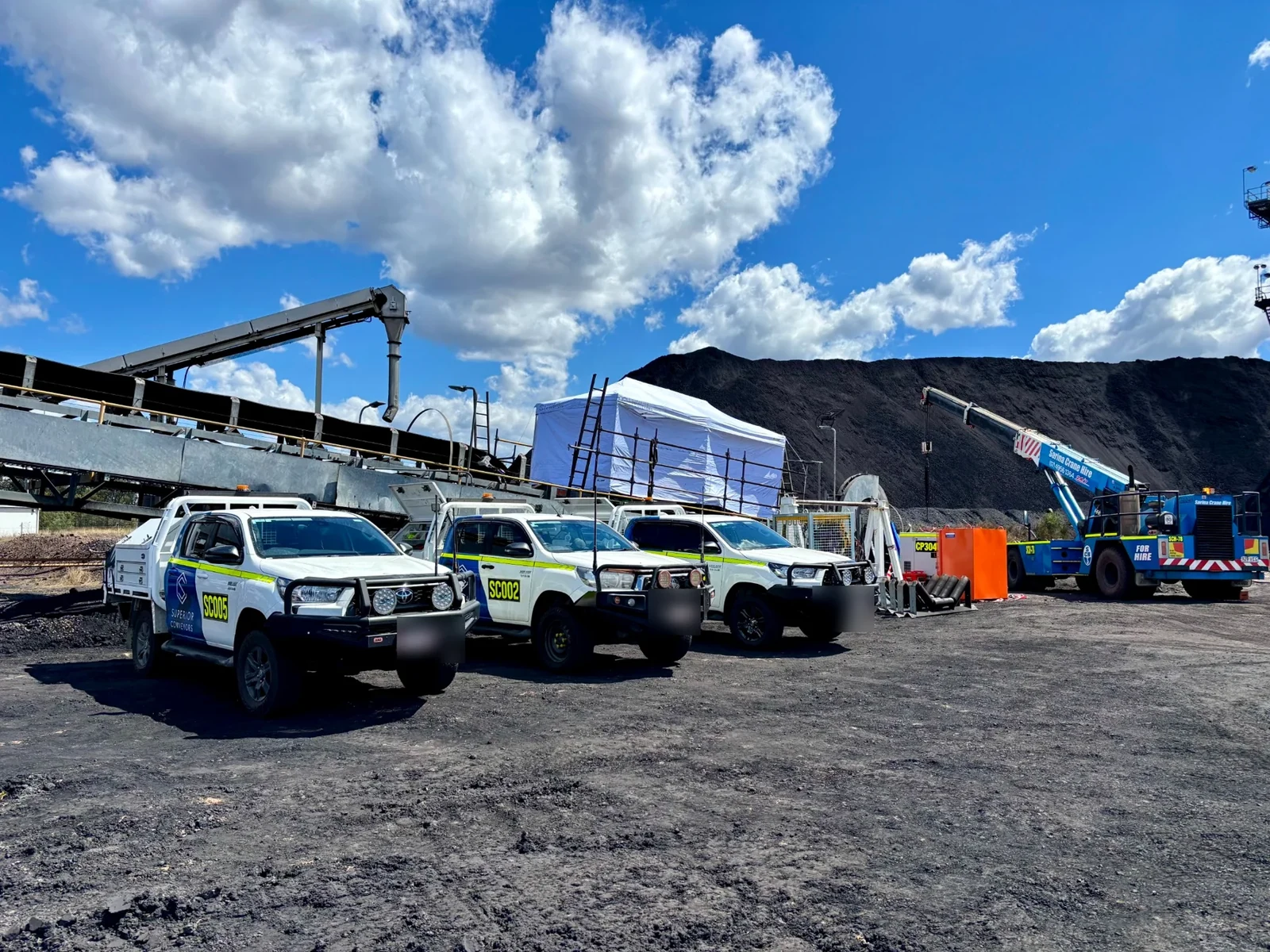
Belt replacement, splicing, inspections and thickness testing. Define the supply length, joint, handling and site work before the reel arrives.
LOAD SUPPORT • TROUGHING • PULLEYS • TAKE-UP
Nominal strength and belt width are only part of the selection. A replacement needs to work with the existing supports and available movement.
A belt that is too stiff can bridge across the idlers. A belt with insufficient support can flex excessively under load. Check width, carcass construction, trough angle, roll lengths, material density and loading.
Use the selected manufacturer’s requirements for each pulley position and tension condition. Total belt thickness alone is not a reliable basis for selecting the minimum diameter.
Record the distance from the terminal pulley to the first fully troughed idler, the pulley elevation and the changing trough angles. Include convex and concave curves where they affect belt loads or contact.
Confirm take-up type, available travel and current position. Review running, starting, braking and reversing conditions. Replacing fabric with steel cord, or changing the fabric construction, can change the required design assumptions.
A change in cover thickness, compound or carcass can change the power, torque and tensions required. Check the existing drive, traction, take-up, splice and stopping equipment against the proposed belt before ordering.
Drive assessment requirementsSITE SCOPE AND SHUTDOWN PLANNING
Agree the belt, joint and installation method before the reel arrives. Supply length, splice allowances, handling equipment and site access need to match the planned work.
Distinguish the running belt length from the ordered length and splice allowance. Confirm the number of reels, individual lengths and the location of planned splices.
Rubber, solid-woven and thermoplastic belts use different joint constructions and preparation methods. Follow the current procedure for the selected belt and materials. No generic cure or welding settings apply across these constructions.
Scope the reel stand, lifting and pulling arrangements, access, isolation and stored-energy controls. Confirm the splice work area, power, weather protection, equipment capacity and disposal or storage of the old belt.
Inspect the completed joint and belt run under the agreed commissioning plan. Record splice identification, location, work completed, checks, photographs and any remaining corrective work.
SUPPLY DOCUMENTATION AND SITE MEASUREMENTS
Quality records cover the supplied belt, installation and in-service inspections. Retain them against the conveyor ID and belt or reel identification.
| At supply | At installation and in service |
|---|---|
| Confirmed belt designation, width, length, covers and construction. | Conveyor ID, belt/reel identification, splice type and location. |
| Manufacturer’s test reports against the agreed order specification. | Recorded installation and splice checks with photographs. |
| Required fire/antistatic documentation and design scope where applicable. | Cover-thickness readings, damage location and inspection findings. |
| Reel dimensions, mass, core/support details and handling information. | Reported belt run, loading condition, cleaner contact and follow-up work. |
Record wear across the belt width and along its length where practical. Distinguish wear, cuts, edge damage, splice deterioration and exposed reinforcement. Compare readings taken at identified locations under a consistent method.
Agree the dimensional, physical-property and any specialist tests required for the order. Match the reports to the supplied belt and batch; a laboratory’s capability is not proof that every test was performed on every reel.
Belt inspections, thickness testing, defect reporting and splice quality-control services can be included in the scope. Specialist testing and acceptance criteria are agreed before the work.
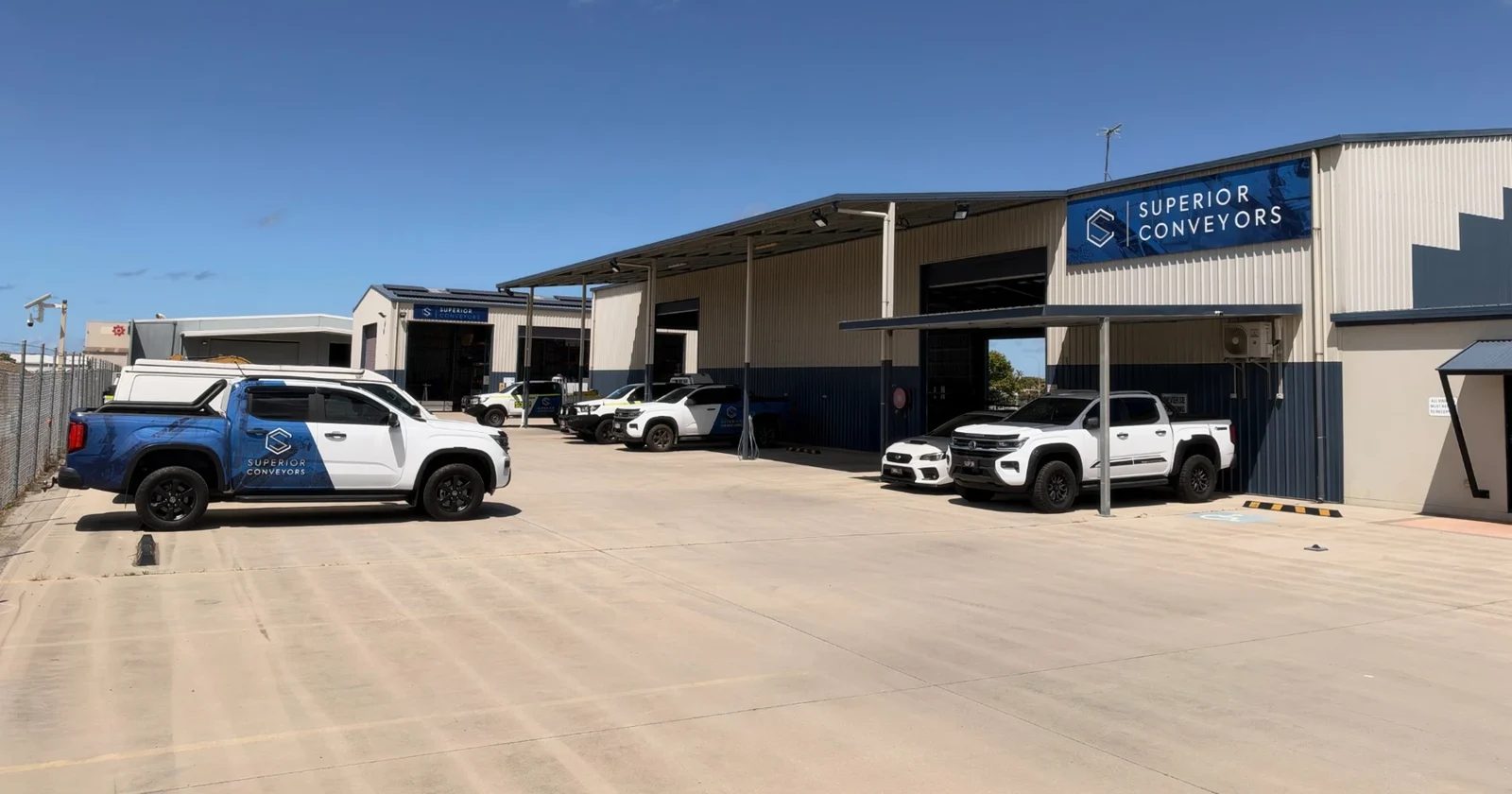
45–47 Centurion Drive, Paget QLD 4740.
Belt supply, installation, repairs and inspection work can be scoped together. Tell us the conveyor, access requirements and planned shutdown.
Discuss the workA current designation, photograph or drawing helps identify the replacement. Unknown measurements can remain blank.

Conveyor maintenance, belt repairs, workshop refurbishment and component supply.
Based in Paget, Mackay. Site support across the Bowen Basin and surrounding regions.
45–47 Centurion Drive
Paget QLD 4740